The Role of Color Theory in Landscape Design: Bringing Vibrancy to Your Yard Jun 03, 2026
Color theory in landscape design revolves around the combinations and contrasts of colors that can create specific feelings and moods. The choice of colors can influence how a space is perceived, from making an area seem larger to creating intimate, cozy nooks. Let's explore how incorporating color theory in your garden design can bring your yard to life.
When beginning with color, it’s crucial to consider the environment and existing elements of your home. Observe the architectural style and existing color palette of your property to ensure there is a harmonious flow between the indoors and outdoors. Equally important is understanding the effects of different colors. For instance, cool colors like blues and greens tend to recede, providing a calming and tranquil space, ideal for relaxation areas. In contrast, warm colors such as reds, oranges, and yellows advance toward the observer, creating excitement and vibrancy, perfect for entertaining spaces.
To employ color effectively, think about the primary, secondary, and accent color schemes. A primary color, such as the lush green of grass and foliage, will serve as the base. Secondary colors come into play with your choice of flowers and shrubs, bringing an additional layer of beauty. Accent colors, used sparingly, can provide those unexpected pops of color and capture attention, adding depth and interest throughout the garden.
A successful landscape design also considers seasonal color changes. Perennials may bloom in bright creams and purples during spring but fade in summer. To maintain visual interest, incorporate annuals for color rotation, or choose plants like autumn maples which offer stunning reds and oranges as the seasons change. This dynamic shift keeps your landscape engaging and full of life year-round.
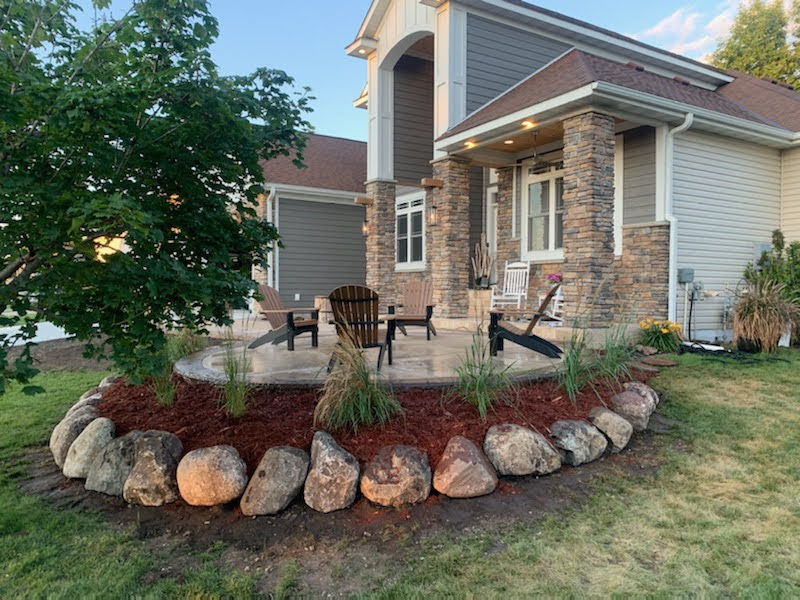
Hardscaping elements also benefit from mindful use of color. Consider materials for pathways, patios, or retaining walls that complement or contrast with your garden's plantings. Grey stones can serve as a neutral backdrop for bright flowers, while rich brown pavers add warmth.
While exploring color palettes, it’s essential to maintain balance and not overwhelm the senses. Unity and diversity go hand in hand; striking the right balance provides coherence and variety. Just as too many different colors can create chaos, too few can appear monotonous. Guided by principles of proportion and harmony, the goal is to create a space that feels complete and thoughtfully curated.
In conclusion, the application of color theory in landscape design maximizes the visual appeal and functionality of any yard. At Jamco, our aim is to work with nature’s canvas to create stunning outdoor spaces that reflect your unique style and home. By understanding and applying the principles of color theory, you can transform your garden into a vibrant oasis. Whether you seek a tranquil retreat or a dynamic space for gatherings, integrating color theory can meet your aesthetic desires and elevate your outdoor living experience. Let Jamco help you bring vibrancy and balance to your yard today.
/filters:no_upscale()/filters:format(webp)/media/1f6637a8-96ff-4617-bf98-e5f66ce18bcd.jpg)