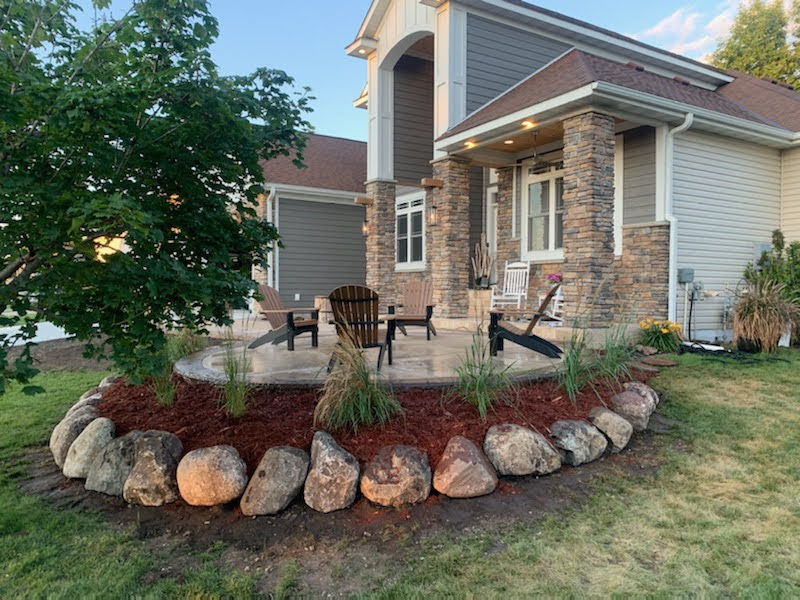
Hardscaping Essentials: Creating Functional and Stylish Outdoor Spaces Dec 17, 2025
The foundation of any successful hardscaping project is a well-thought-out design. Hardscaping goes beyond mere decoration; it’s about creating structures that withstand time and elements while maintaining a cohesive look with your home’s architecture. Start by assessing your space and identifying your needs. Do you want a serene patio for relaxation, or are you interested in a large, elegant stone fireplace? Perhaps a meandering stone path leading to a garden retreat? By defining your goals early, you can focus on elements that are both practical and aesthetically pleasing.
Materials play a crucial role in hardscaping, setting the tone and texture of your outdoor space. Popular choices include natural stone, brick, concrete, and pavers. Each material offers distinct advantages—natural stone provides a classic, timeless look, while concrete and pavers are versatile and cost-effective. When choosing materials, consider the local climate and the level of maintenance you’re prepared to undertake. For instance, certain stones may require regular sealing to prevent weather erosion, whereas concrete might be more resilient in harsher climates.
Another vital aspect of successful hardscaping is scale and proportion. Elements like patios, walls, and pathways must be proportionate to the size of your outdoor area and harmonize with existing features. Avoid overcrowding the space with oversized elements, which can make an area feel cramped and less welcoming. Instead, ensure your designs allow for open spaces that give a sense of balance and encourage natural movement through the area.
Functional elements such as outdoor lighting, water features, and seating add immense value by enhancing usability and enjoyment. Imagine an elegantly lit pathway that invites evening strolls or a tranquil water feature that provides soothing sounds of nature. These additions should not overpower the primary hardscaping features but rather complement them, creating an inviting ambiance that encourages relaxation and social gatherings.
Sustainability is increasingly important in modern hardscaping projects. Opt for materials and designs that are eco-friendly and sustainable. Permeable pavers, for example, allow rainwater to pass through, reducing runoff and promoting groundwater recharge. Additionally, incorporating native plant species into your design can help in maintaining ecological balance and reducing maintenance efforts.
In conclusion, hardscaping is a powerful tool for enhancing your outdoor living space. By focusing on thoughtful design, choosing appropriate materials, maintaining proportion, and integrating functional and sustainable elements, you can create a truly remarkable and stylish outdoor environment. At Jamco, we are dedicated to helping you realize your vision and turn your backyard into an exquisite extension of your home. Reach out to us for expert guidance and services tailored to your unique landscape needs. Create the outdoor oasis you’ve always dreamed of with hardscaping essentials that perfectly blend functionality and style.
/filters:no_upscale()/filters:format(webp)/media/1f6637a8-96ff-4617-bf98-e5f66ce18bcd.jpg)